
Most Australians who sit down for a card table already know the rhythm of a fast shuffle and a quick payout, so the appeal of a progressive table game usually comes down to one question: does the extra prize layer change how you actually play, or does it just sit there while the same decisions do the work? Red dog progressive jackpot sits in that gap. For players who want a table game with a clear stake range, a visible prize ladder, and a house edge that behaves the way the maths says it should, the experience is less about chasing a headline number and more about deciding whether the base game earns its keep first. Before any bonus talk or mobile convenience, the practical test is whether the table itself is worth your session time.
What the table actually offers

Red dog progressive jackpot is built around a simple comparative-card game, but the progressive layer changes the way a session feels without changing the basic hand ranking. The core offer is a table game where three cards are ranked against each other, and the betting options stay close to the familiar even-money framing that many players already recognise from other table formats. That matters because a progressive prize is only useful if the underlying game is easy to read at a glance and does not demand heavy attention between rounds.
A few distinguishing traits separate this setup from a standard flat-table session. The first is the visible prize ladder, which gives the table a clear endpoint to watch rather than a vague promise attached to a slot. The second is the way the base stakes sit inside a practical range, so the table works for a short session as well as a longer one. The third is the way the bonus mechanic is tied to the table rules themselves, so the progressive element feels attached to the hand rather than bolted on from a separate system. That kind of integration is what makes the table feel like a table game first and a jackpot product second.
Everyday usability is where the table earns most of its appeal. The pace is quick enough to keep a session moving, and the decisions do not require a long explanation every time you sit down. For an Australian player who might be logging in during an arvo break or after work, that simplicity doghousemegawaysdemo.net is useful. The table feels most comfortable when you treat it as a focused session rather than something you leave running in the background while doing other things.
| Feature | Practical read |
|---|---|
| Core game type | Comparative card table with a progressive prize layer |
| Main appeal | Visible jackpot ladder without losing the table feel |
| Stake range | Designed for short and longer sessions |
| Bonus tie-in | Progressive mechanic attached to table rules |
| Best fit | Players who want a table game with a clear prize target |
How the bonus layer works in practice
The base game decisions first
The first thing worth separating is the ordinary betting behaviour before any progressive prize enters the picture. On this table, betting on red or black, odd or even, or high or low pays even money, which is 1 to 1. That is the kind of payoff structure that keeps the maths readable and the session predictable, because you are not guessing at a complicated payout grid every time you place a chip. For a player who likes to understand what a bet is actually doing, that clarity is the main advantage.
There is also a practical detail that matters more than people sometimes admit: a credit slip documents chips removed from a table. That sounds minor, but it is the kind of record-keeping that keeps a session organised, especially when you are moving between stakes or stepping away and coming back. In a progressive table game, where the prize ladder can distract attention, having a clean record of what has been taken off the table helps you keep the session honest.
Without that paper trail, it is too easy for chips to disappear into the noise of a long night. Whether you play in person or explore digital tables, the discipline of logging every move pays off in clarity. You can read more on maintaining that sharpness at this practical guide.
The progressive prize as a session filter
The progressive element works best when you treat it as a filter for session choice rather than as the whole reason to play. The prize ladder is visible, which is useful, but the value of that visibility depends on whether the base table is already doing enough for you. If the ordinary game is engaging and the stake range suits your bankroll, then the progressive layer adds a second reason to stay interested. If the base game is only there to justify the jackpot, the session can feel unbalanced quickly.
From a production standpoint, this is the kind of balance I have seen matter across table development and content work in several markets: the progressive prize should feel like a feature of the table, not a separate product pretending to be one. That judgment call shows up whenever a table game is tuned for real play rather than for a marketing line. The same principle applies here. When the table is well built, the progressive jackpot becomes a bonus reason to keep playing; when it is not, the prize ladder is just a number on a screen.
How the table fits Australian play
For an Australian audience, the useful comparison is not with some idealised international standard but with how table games are actually approached in different markets. In the UK and parts of Europe, progressive table products are often positioned with a stronger emphasis on visible prize tracking and session pacing, while in the United States the same idea can sit inside a broader mix where table games and progressives are expected to behave very differently. New Zealand tends to share some of the Australian habit of treating a table game as a focused session rather than a background activity. None of those markets is a perfect mirror, but each one highlights the same point: a progressive table game works best when it respects the table first.
That comparison matters locally because regional Queensland players often want something that fits a practical routine rather than a long, elaborate setup. A table with a clear prize ladder, a readable stake range, and a bonus mechanic that does not overcomplicate the hand can work well in that context, provided the session is treated as a session and not as a chase. The Australian situation is less about importing a foreign model and more about keeping the table useful for the way people actually play here.
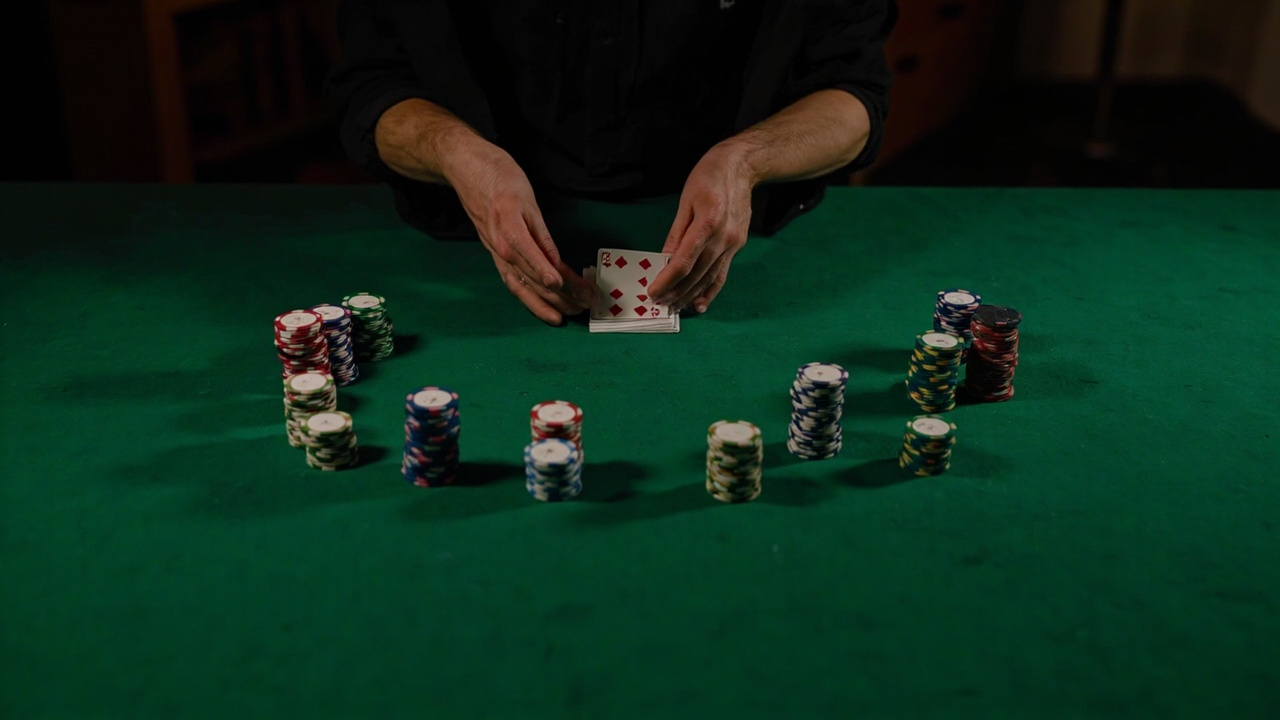
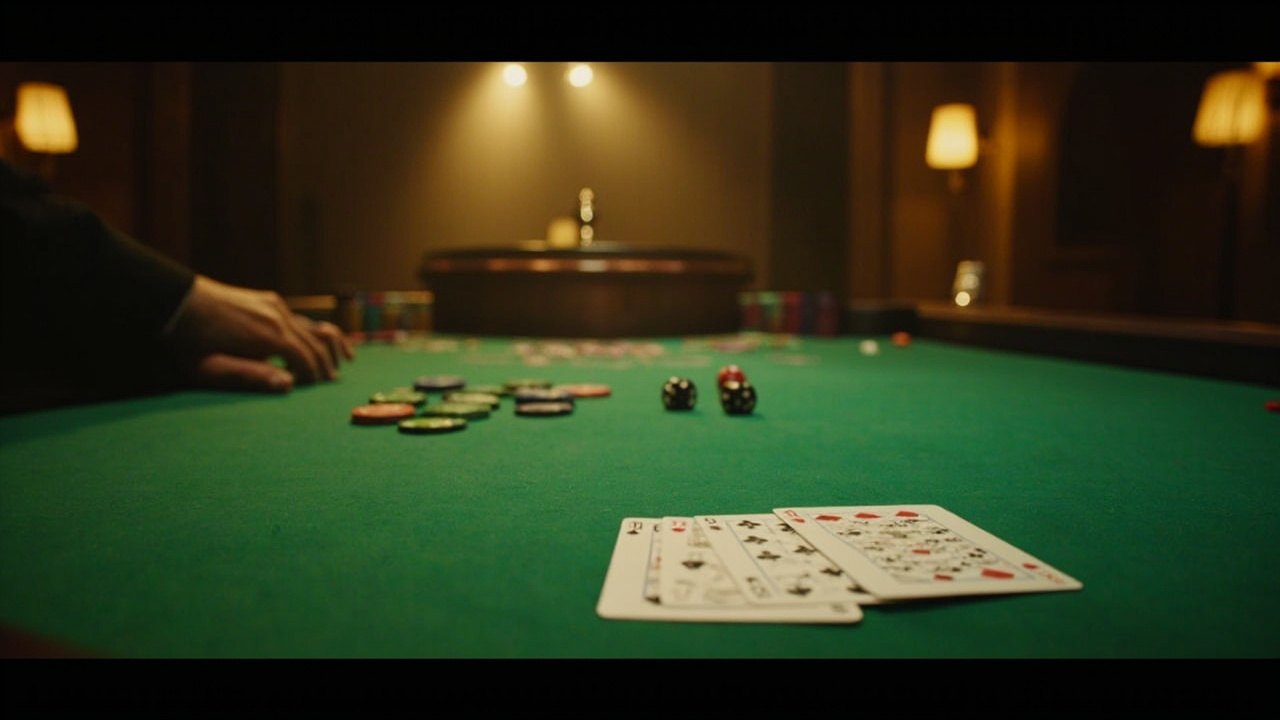
A short list helps separate what matters from what does not:
- Choose the table because the base game is readable and the stake range suits you
- Treat the progressive prize as a second reason to play, not the only one
- Keep session records clean so the table stays organised
- Match the pace to a focused session rather than a long, distracted one clubhouse review
A practical read for the right player
Red dog progressive jackpot suits players who want a table game with a visible prize ladder and a base game that still makes sense on its own. The even-money framing, the clean record-keeping detail, and the way the progressive mechanic sits inside the table rules all point to a product that is easier to understand than many jackpot offerings, but that only matters if you are comfortable with the table itself. If you want a focused session with a clear target and a stake range that does not force you into extremes, the table has a real fit. If you are mainly chasing a progressive prize and do not much care about the hand rankings or the pace, the same setup can feel less satisfying. For the right player, it is a practical table game with an extra layer; for anyone else, the extra layer is not enough to carry the session.